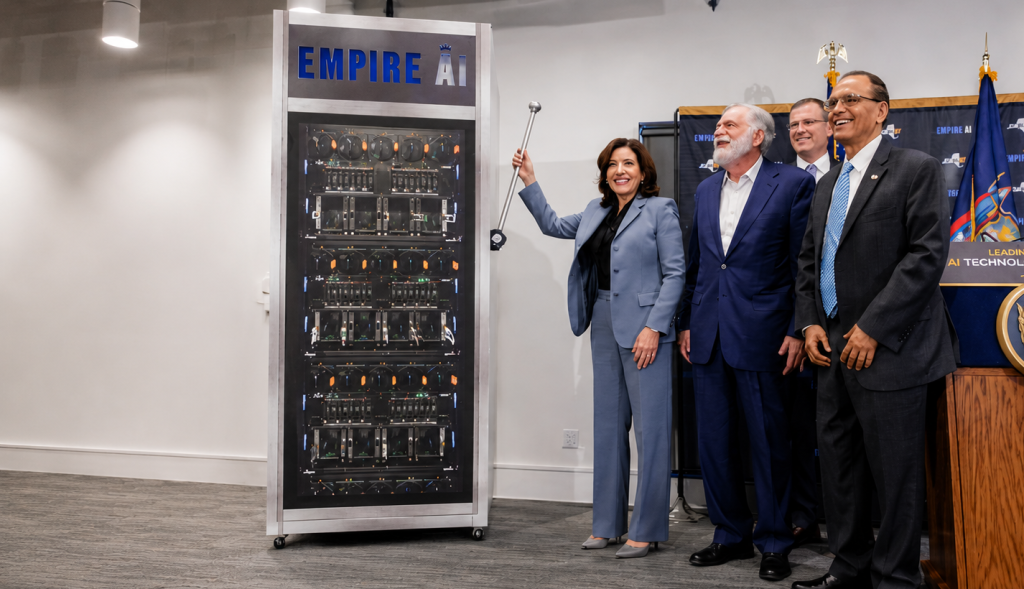
Research
Across New York, researchers are using Empire AI to pursue discoveries at a scale and speed that previously would have been difficult or impractical for many academic teams.
With access to world-class computing power, researchers can analyze larger datasets, run more complex simulations, train more sophisticated AI models and test ideas dramatically faster.
The common purpose: Expanding what academic researchers can achieve, and translating that capability into new knowledge, technologies and solutions with that can improve lives in New York and beyond.

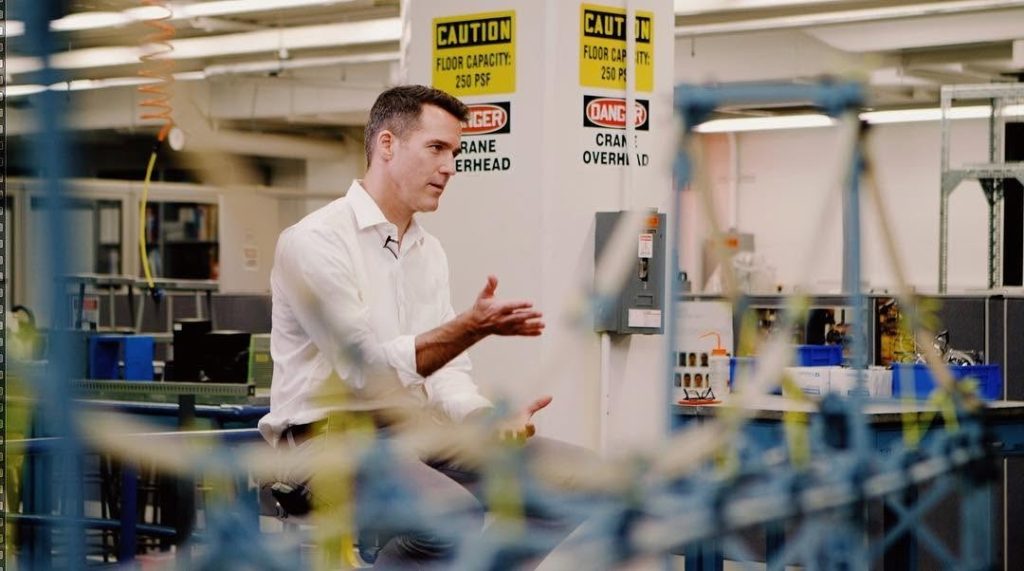
Columbia University researcher Dr. Andrew Smyth and his team are using Emipire AI to accurately and efficiently measure New York City traffic volume to support decision-making to improve transportation infrastructure and public safety,

University of Buffalo researchers are using Empire AI to analyze billions of molecular interactions, identify promising drug candidates, and accelerate the development of new treatments for a wide range of diseases.
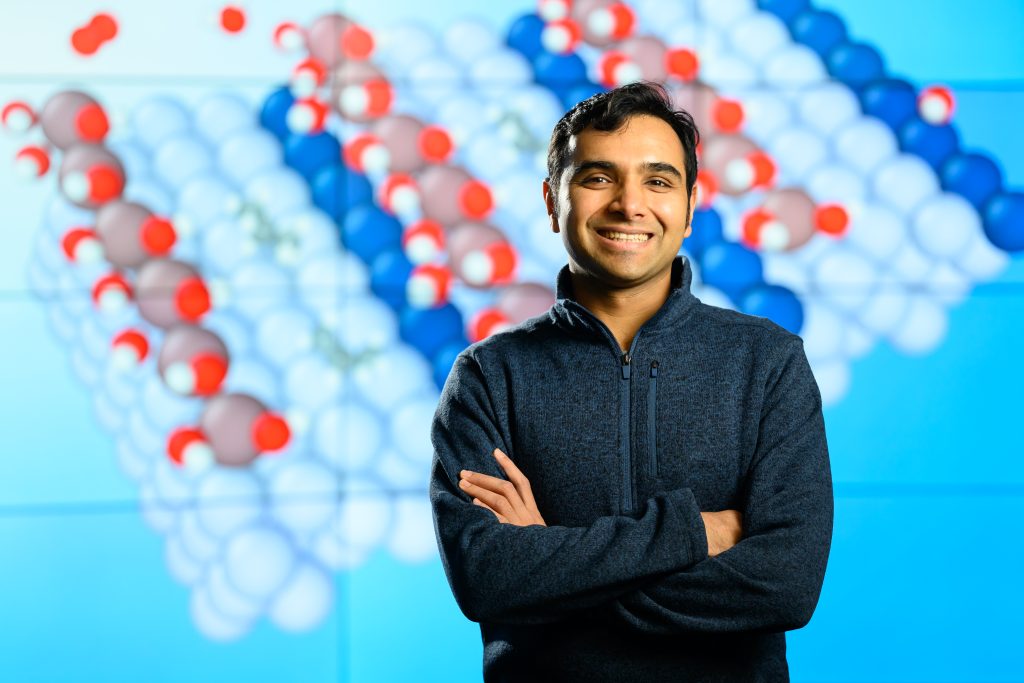
Many important technologies depend on complex chemical reactions occurring at materials’ surfaces, but accurately simulating what happens during these interactions requires enormous computing power. University of Rochester researchers are using Empire AI to discover more about these interactions in hopes of boosting chemical manufacturing efficiency.

As climate change increases the frequency and intensity of heavy rainfall, hyperlocal flooding is becoming a growing challenge for New York City where flooding can develop quickly. A CUNY research team is using Empire AI to predict where flooding will occur, evaluate which events are likely to have the greatest impact and recommend how limited response resources should be prioritized.
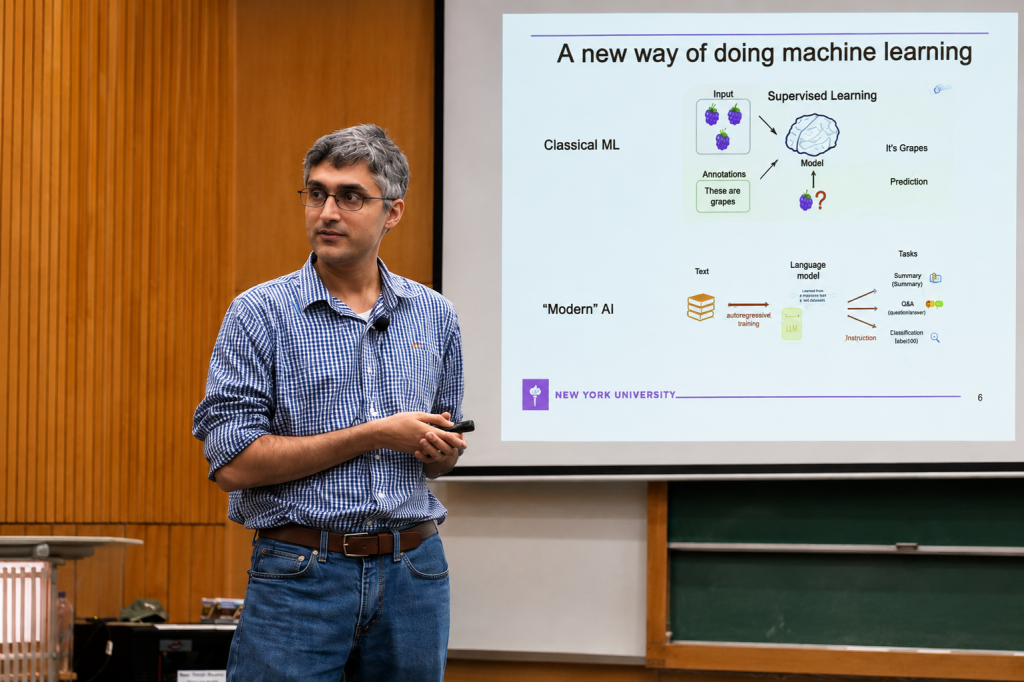
Researchers at NYU created the world's largest public dataset of AI-generated conversations to uncover how synthetic training data shapes the performance of large language models. Their work is helping make AI systems more capable, reliable and accessible while giving researchers across New York and beyond a powerful new resource for advancing open AI.
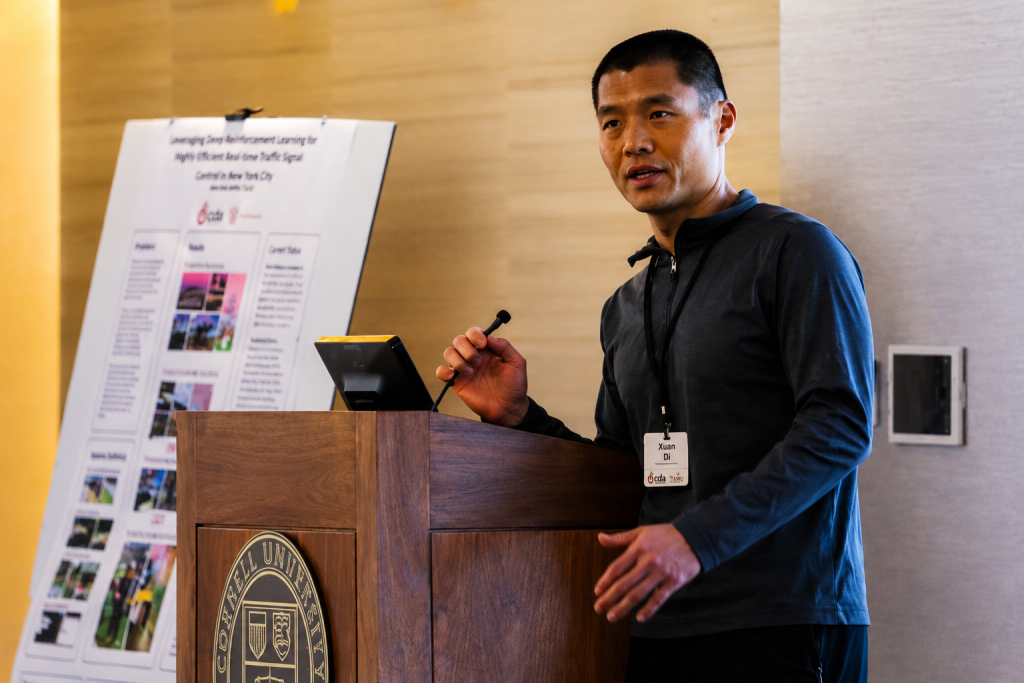
Cornell University researchers have used Empire AI to automate the workflow from electron microscopy images, helping to provide insights for technologies from advanced batteries and catalysts to semiconductors and next-generation manufacturing.
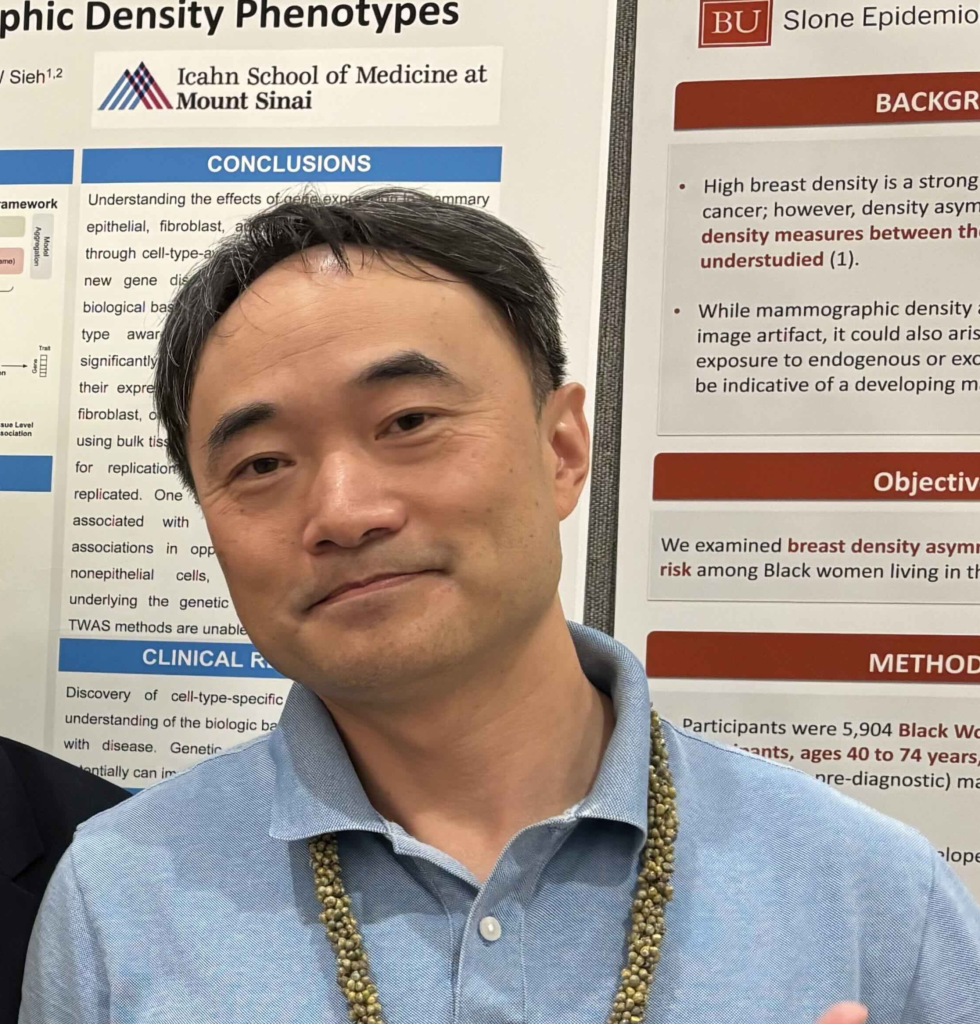
Researchers from the Icahn School of Medicine at Mount Sinai are developing a powerful AI system to help decode the genome and uncover how genetic variation influences health and disease.
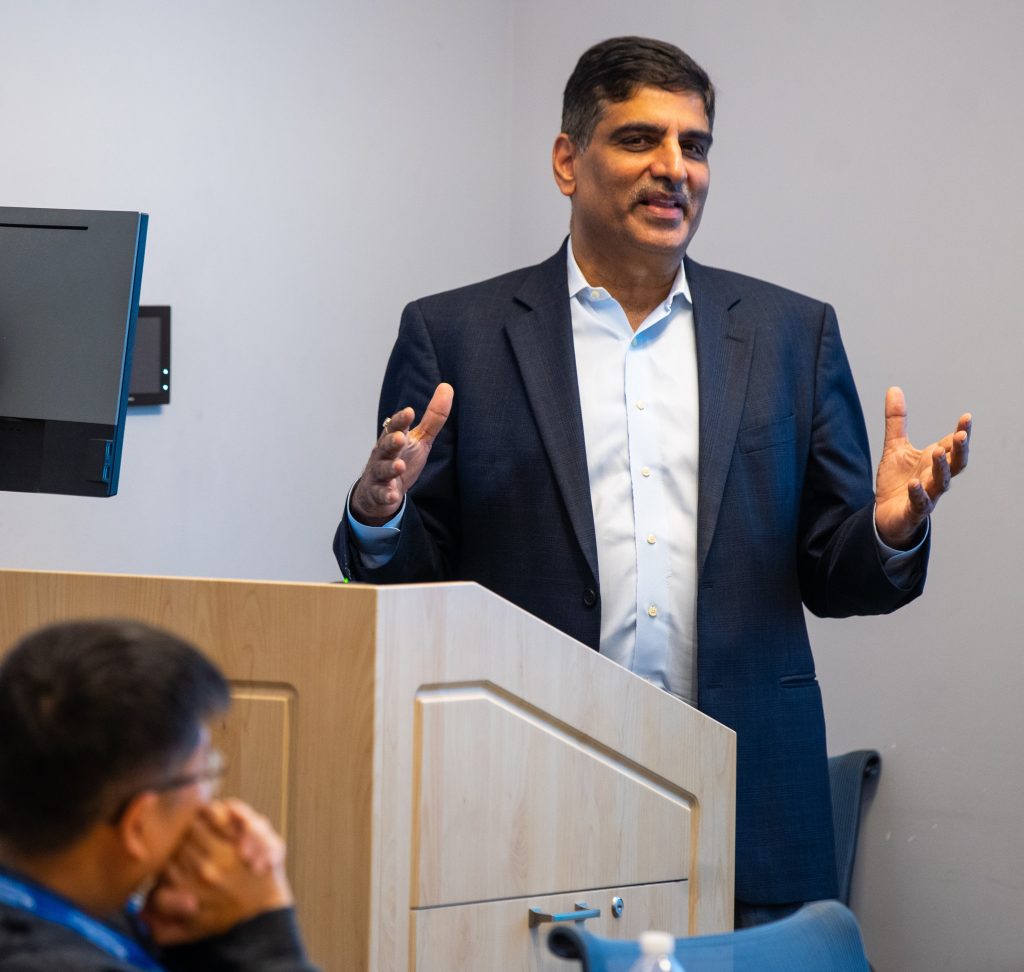
Using Empire AI's advanced computing resources, a University of Buffalo team is building multimodal large language models (mLLM) capable of delivering real-time, interactive speech-language therapy that could create new opportunities for children to receive individualized support both in school and at home.