Research
Across New York, researchers are using Empire AI to pursue discoveries at a scale and speed that previously would have been difficult or impractical for many academic teams.
With access to world-class computing power, researchers can analyze larger datasets, run more complex simulations, train more sophisticated AI models and test ideas dramatically faster.
The common purpose: Expanding what academic researchers can achieve, and translating that capability into new knowledge, technologies and solutions with that can improve lives in New York and beyond.

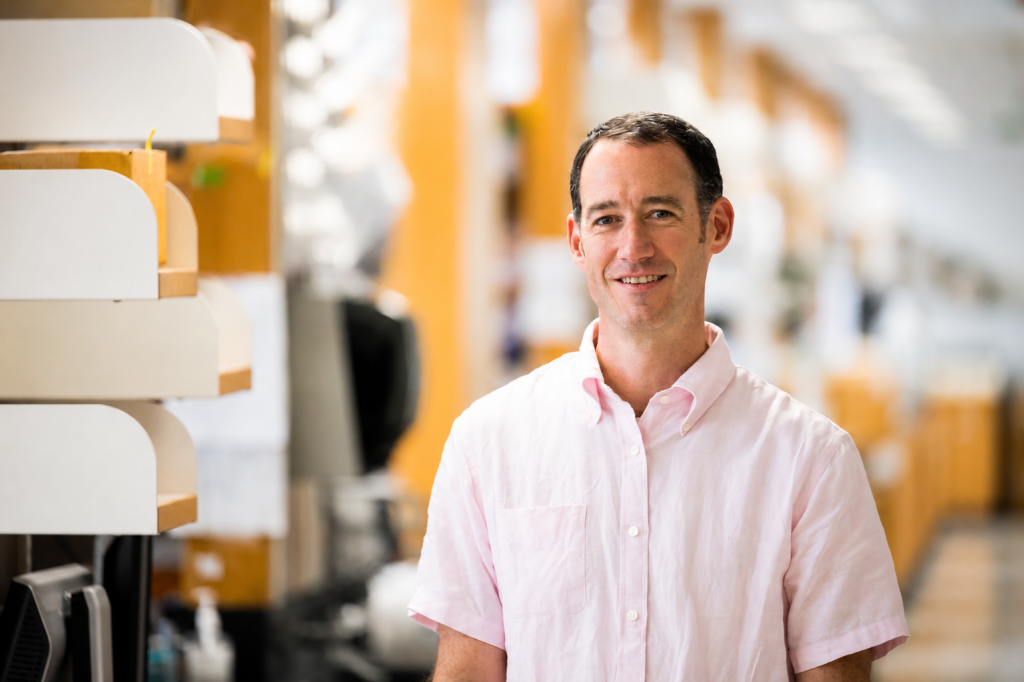
Scientists believe disruptions in the process of removing waste through the brain are associated with Alzheimer’s, stroke, hypertension, and traumatic brain injury. University of Rochester Prof. Douglas Kelley and his team are using Empire AI and advanced MRI imaging to reveal the hidden flow of waste-clearing fluids to reveal previously inaccessible aspects of brain function.

The rise of generative AI in music has introduced new opportunities but also significant concerns. A Cornell researcher is using Empire AI to develop AI tools that enhance rather than replace creativity, ensuring that artists remain at the center of the creative process.
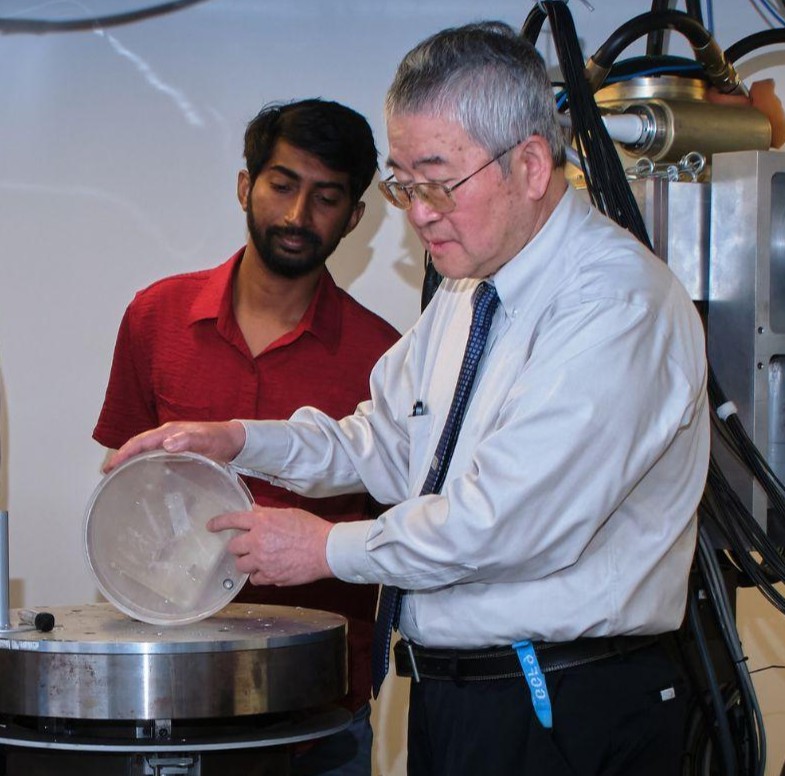
Lung cancer is the leading cause of cancer-related death worldwide, but today’s screening programs face major barriers. Using Empire AI, an RPI researcher is developing a system that learns from large-scale, real-world data to identify subtle patterns that may not be clearly visible to clinicians to offer earlier, more accurate diagnoses.

Widely used large language models often function as “black boxes,” making their outputs difficult to predict or control and limiting their safe deployment in some sensitive domains, like healthcare, education and public services. A Cornell research team is working to allow users to better guide AI outputs.

Prostate cancer is one of the most common cancers among men, impacting approximately 15,550 patients annually, but aggressive subtypes can be difficult to detect early. Empire AI is helping to identify these types of cancers, which could improve patient outcomes.
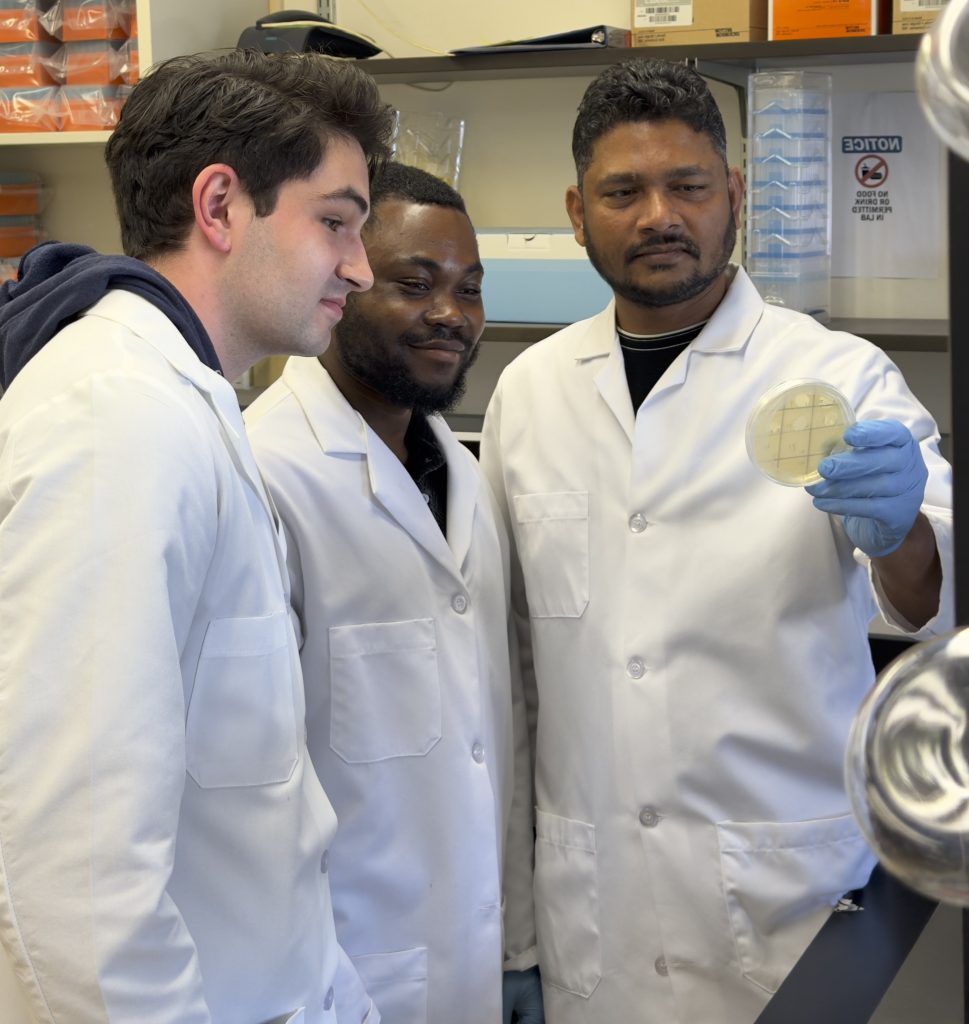
Malaria remains one of the world’s most persistent and deadly infectious diseases, affecting 263 million people annually, many of them children. A CUNY Researcher is using Empire AI to help uncover potential treatments.

Mental health disorders affect approximately 1 in 5 New Yorkers each year, yet the underlying mechanisms of how the brain makes decisions and processes information remain poorly understood. An NYU researcher is using Empire AI to model brain activity and advance our understanding of how the brain functions and shed light on mental health disorders.

Climate change is already driving significant impacts across New York, with projections estimating $10 billion in annual damages by 2050. Researchers are developing high-resolution climate models using AI to predict local impacts such as flooding and extreme heat.