Research
Uncovering Sources of Infant Brain Development Disorders with Empire AI
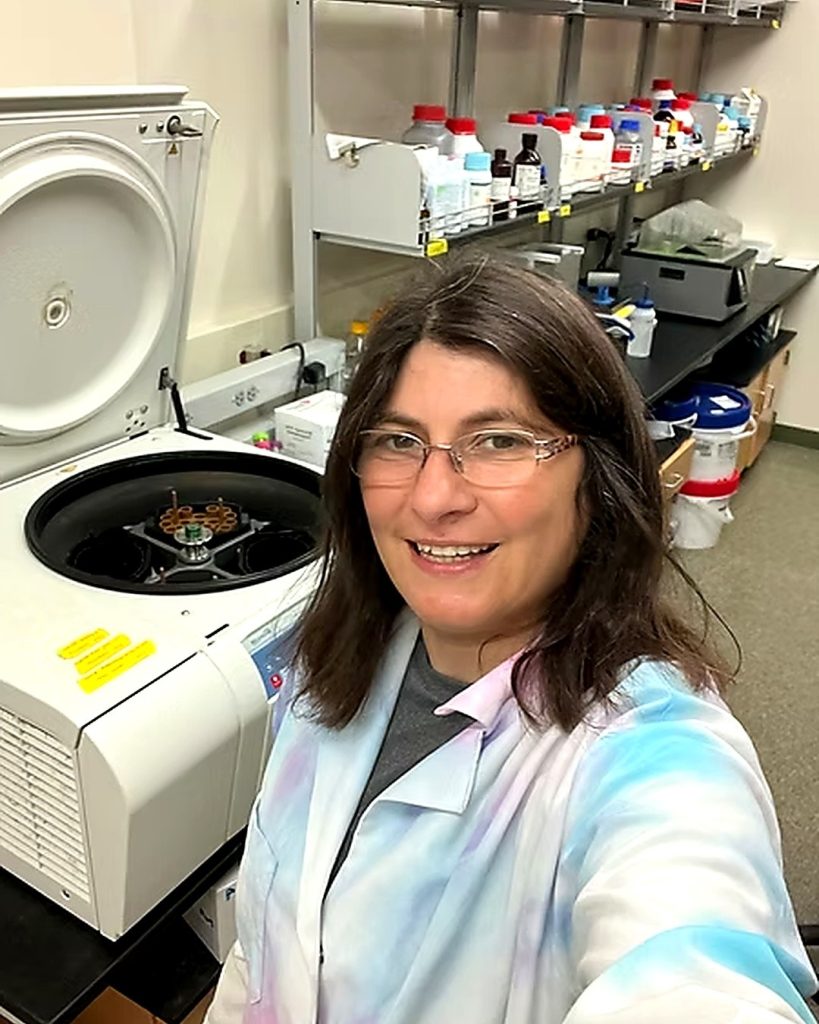
Prof. Sozanne Solmaz | Binghamton University (SUNY)
Studying how mutations in key proteins disrupt cellular transport, leading to brain and muscle developmental disorders in infants.
Challenge
Rare genetic mutations affecting proteins such as BicD2 can disrupt essential cellular transport processes, leading to severe brain and muscle developmental disorders. These conditions affect approximately 1 in 6,000 infants and often result in lifelong disability or early death.
One of the primary challenges is that these disorders originate at the molecular level, where small changes in protein structure can have cascading effects on cellular function. Understanding these mechanisms requires detailed modeling of how proteins behave and interact — something that is difficult to observe directly.
Traditional experimental approaches are slow and resource-intensive, limiting the ability of researchers to explore the full range of possible mutations and their effects.
The research models how protein mutations affect cellular transport and development. Empire AI enables rapid protein structure prediction and simulation.
- Faster identification of mutation effects
- Large-scale modeling
- Integration of AI with lab research
- Enables development of therapies for rare genetic disorders
- Provides insights into broader neurological conditions, including Alzheimer’s
- Reduces long-term healthcare burdens for affected families
- Advances understanding of human developmental biology